

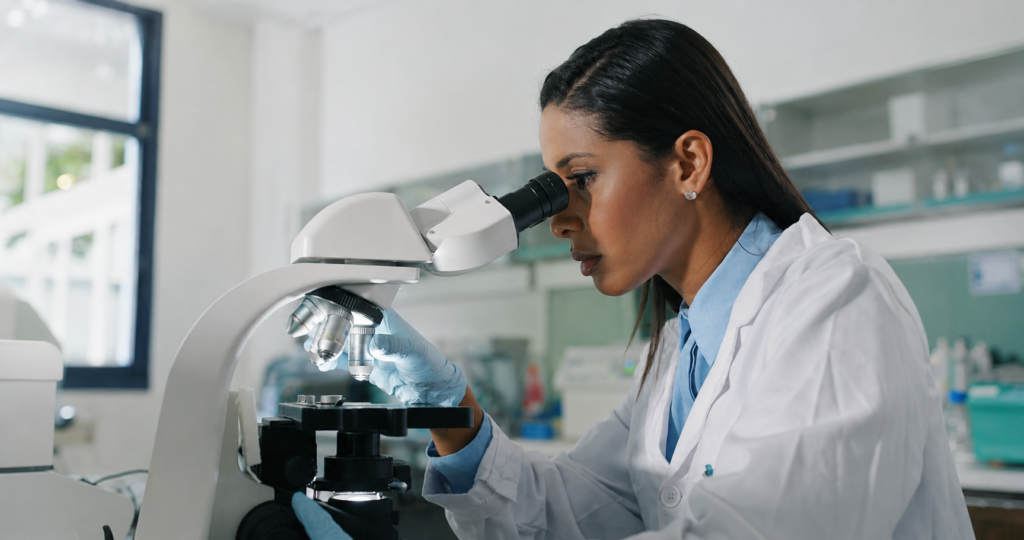
Arxada operates its largest production facility in Visp. The site combines research, process development and commercial manufacturing within a highly integrated chemical network. Its ability to support projects from laboratory scale through to industrial production makes it a significant part of Valais’ manufacturing expertise.
A global group with Swiss roots
Arxada develops specialty chemical solutions for applications including microbial control, professional hygiene, home and personal care, paints and coatings, wood protection, human health and nutrition.
In 2025, the group generated CHF 2 billion in sales. It employs approximately 3,100 people across 24 production sites and 14 research and development centres. Headquartered in Basel, Arxada serves customers in more than 100 countries.
The company was established in 2021 following the carve-out of Lonza Specialty Ingredients from the Lonza Group. The business became independent in July and adopted the Arxada name in October of the same year. The subsequent combination with Troy Corporation and acquisition of Enviro Tech expanded its activities in microbial control and specialty additives. Although the Arxada name is recent, the company draws on industrial capabilities developed over several decades.
Visp: Arxada’s largest production facility
Arxada identifies Visp as its largest production facility. It is also one of seven sites in the group that combine research, development and manufacturing.
The proximity of scientific teams, process specialists and industrial units supports work across the development pathway. Activities range from early feasibility studies and process optimisation to technology transfer, analytical development, regulatory support and commercial manufacturing.
The site has more than 40 years of experience as a contract development and manufacturing organisation, or CDMO. Its activities include the exclusive manufacture of advanced intermediates and active ingredients for several markets.
Flexible production from grams to multiple tonnes
Arxada’s CDMO infrastructure in Visp comprises five multipurpose chemical complexes with 22 production plants. Reactor capacities range from 1 to 16 m³, enabling projects to progress from laboratory quantities to multi-tonne production.
Where the process and project requirements permit, teams can move directly from the laboratory to a production plant without an intermediate pilot stage. Whether this approach is appropriate depends on the technical, regulatory and industrial requirements of each project.
The site operates according to several standards relevant to its target markets, including ISO 9001, EN 9100, FSSC 22000 and the European Federation for Cosmetic Ingredients standard. Halal and kosher certifications complement these standards.
An integrated chemical network
A defining feature of the Visp site is its backward integration. Several raw materials and chemical intermediates are produced on-site, including acetylene, ethylene, ketene, diketene and hydrogen cyanide.
This setup reduces reliance on certain external supply chains and provides greater control over production parameters. It also enables the site to manage syntheses that require specialised infrastructure and expertise.
Hydrogen cyanide, for example, is produced within an integrated network in Visp. Methane from the site’s acetylene generation unit feeds the cyanide unit. The resulting building block is used in the manufacture of intermediates for fine chemicals, pharmaceuticals, agrochemicals, polymers and specialised materials.
Decarbonisation through industrial processes
The Visp facility operates according to a Verbund principle, connecting material and energy flows through several recovery and recycling systems.
One documented measure is the installation of a catalytic converter that reduces nitrous oxide emissions. According to Arxada, the system has cut emissions from the Visp site by more than 500,000 tonnes of CO₂e per year. It contributed to a reduction of more than 70% in the group’s global Scope 1 emissions compared with the 2021 baseline.
A vapour recompression system has also been installed on a distillation column associated with the 5-ethyl-2-methylpyridine process. The system recovers heat from overhead vapour and reintroduces it into the distillation cycle. Arxada estimated that the project could save approximately 2,400 tonnes of CO₂e per year.
In June 2026, Arxada received an EcoVadis Gold Medal, placing it among the top 5% of organisations assessed by the platform. The rating covers the group’s global activities and is not a site-specific assessment of Visp.
Valais capabilities within a global network
The expertise concentrated in Visp spans synthetic chemistry, process engineering, analytics, quality management, industrial production and project delivery. These capabilities support the transfer of chemical processes towards commercial manufacturing within infrastructure connected to international value chains.
The site illustrates a defining feature of the Valais Life Sciences ecosystem: the presence of industrial expertise linking scientific development, scale-up and production. This continuity provides concrete evidence of the canton’s position in technology-intensive manufacturing.
Arxada at a glance
- Group headquarters: Basel
- Valais location: Visp
- Arxada established: 2021
- Activities: specialty chemicals and microbial control
- 2025 sales: CHF 2 billion
- Global workforce: approximately 3,100
- Global footprint: 24 production sites and 14 R&D centres
- Workforce figure provided for Visp: approximately 800
- Telephone: +41 61 563 80 00
- Website: www.arxada.com